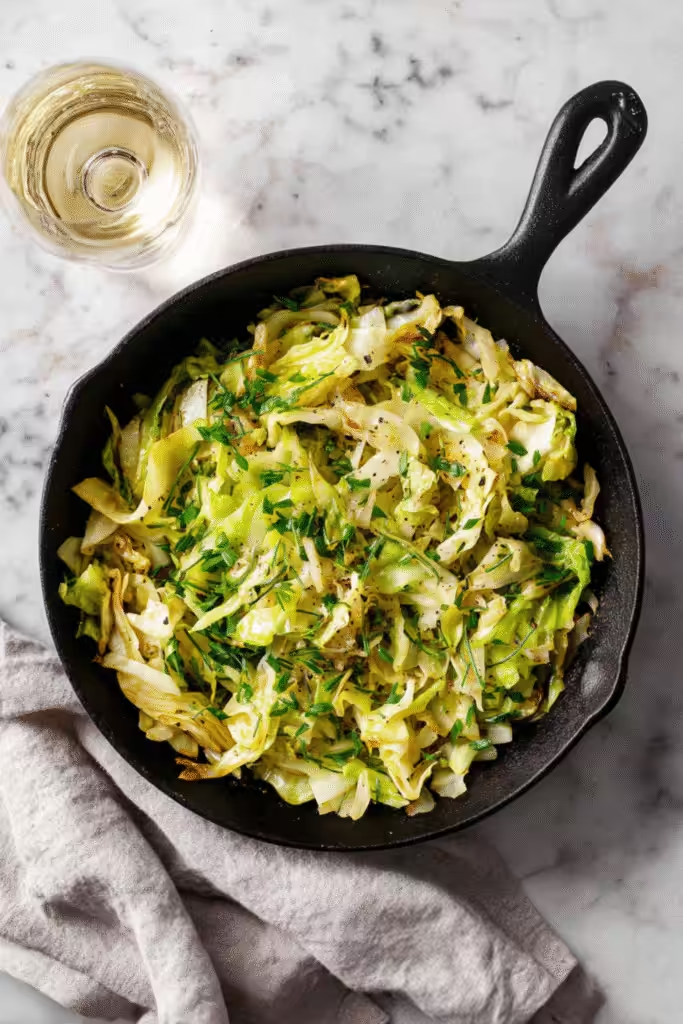
Tender, golden-brown, and surprisingly addictive, sauteed cabbage is a vibrant vegetable side dish that transforms a humble head of cabbage into a caramelized, flavor-packed star. Ready in just 15 minutes, this easy recipe balances sweet, savory, and tangy notes with minimal ingredients — making it ideal for busy weeknights or holiday dinners alike. If you’ve ever overlooked cabbage, this sautéed version will completely change your mind.
Why This Sauteed Cabbage Recipe Works So Well
This sauteed cabbage recipe stands out because it’s simple, fast, and full of rich, caramelized flavor. With only four main ingredients and a splash of apple cider vinegar, it creates a healthy, gluten-free side that’s naturally low in calories yet high in taste. The texture is tender with delicious crispy edges, and it pairs beautifully with meats, sandwiches, or vegetarian meals. Whether you’re looking for a keto-friendly option, a budget dish, or a way to love your veggies more — this dish delivers.
What You’ll Need for the Best Sauteed Cabbage
• Green Cabbage: The main ingredient, it softens beautifully when sautéed and develops sweet, nutty flavors when caramelized.
• Olive Oil: Helps evenly sauté the cabbage and provides a rich, fruity base flavor.
• Unsalted Butter: Adds depth and richness, enhancing the natural sweetness of the cabbage.
• Kosher Salt: Essential for drawing out moisture and intensifying the cabbage’s natural taste.
• Freshly Ground Black Pepper: Adds a subtle kick and balances the sweetness with a hint of spice.
• Apple Cider Vinegar: The surprise hero that brings brightness and acidity to elevate the dish.
• Fresh Thyme (Optional): Infuses herbal aroma and an earthy finish to the sautéed cabbage.
Smart Ingredient Swaps for Sauteed Cabbage
If you’re missing an item or adapting for dietary needs, here are great substitutions:
• Red Cabbage: Use instead of green for a colorful twist and slightly bolder flavor.
• Ghee or Vegan Butter: Substitute for butter to make the dish Paleo or dairy-free.
• White Wine Vinegar or Lemon Juice: If apple cider vinegar is unavailable, these acids can provide a similar tang.
• Carrots or Onions: Add sliced onions or julienned carrots to bulk up the dish and introduce sweetness and color.
How to Make Sauteed Cabbage: Step-by-Step
- Prep the Cabbage: Cut the cabbage in half through the core, lay flat-side down, then slice thinly into fine ribbons. Discard the core.
- Heat the Pan: Place a large sauté pan over medium-high heat. Add olive oil and butter.
- Sauté the Cabbage: Once butter melts, add the cabbage, salt, and pepper. Cook for 10–15 minutes, stirring occasionally. Let it sit between stirs to allow the cabbage to caramelize and develop brown bits.
- Finish with Vinegar: Once the cabbage is golden and tender, remove from heat. Stir in apple cider vinegar to brighten the flavor.
- Taste and Adjust: Add more salt, pepper, or vinegar if needed. Sprinkle with fresh thyme before serving, if desired.
Pro Tips to Elevate Your Sauteed Cabbage
• Don’t Over-Stir: Allowing the cabbage to sit untouched in the pan helps develop a beautiful caramelized exterior.
• Slice Evenly: Thin, consistent ribbons cook evenly and absorb flavor more uniformly.
• Balance the Acid: Vinegar should complement, not overpower — start with a little and adjust to taste.
• Use a Large Pan: Cabbage starts bulky but cooks down quickly. A roomy pan prevents steaming and ensures crisp edges.
• Fresh is Best: While leftovers reheat well, freshly sautéed cabbage has unbeatable texture and aroma.
Delicious Pairings and Tasty Variations
This sauteed cabbage recipe is incredibly versatile and fits into countless meals. Try these pairings:
• With Pork: Serve alongside grilled pork chops, pork tenderloin, or kielbasa for a satisfying dinner.
• With Chicken: Pairs well with baked chicken parmesan, lemon butter chicken, or crispy chicken thighs.
• With Other Veggies: Complement grilled zucchini, roasted broccoli, or cauliflower steaks for a hearty vegetarian plate.
• In Sandwiches: Layer into turkey burgers, steak sandwiches, or wraps for crunch and flavor.
Try These Recipe Variations
• Sauteed Cabbage with Bacon: Start by cooking chopped bacon, then sauté the cabbage in the drippings for smoky depth.
• Sauteed Cabbage and Onions: Add sliced onions at the beginning to sweeten and intensify the flavor.
• Cabbage and Carrots: Add shredded carrots for extra sweetness, color, and nutrition.
• Spicy Cabbage Stir-Fry: Include red pepper flakes or a dash of hot sauce for a kick.
Health Benefits of Sauteed Cabbage
Cabbage is packed with fiber, antioxidants, and vitamin C — making sauteed cabbage a powerhouse side dish. It supports digestion, immune function, and may help reduce inflammation. Because this dish is cooked with olive oil and minimal butter, it remains heart-healthy and keto-friendly. The low calorie count (just 77 calories per serving) also makes it perfect for weight-conscious meals.
Make-Ahead and Storage Tips
• To Store: Place leftovers in an airtight container and refrigerate for up to one week.
• To Reheat: Warm gently in a microwave or skillet. A splash of vinegar revives the flavor.
• To Freeze: You can freeze sauteed cabbage, but note the texture may soften upon thawing. It’s still delicious in stir-fries or soups.
Sauteed cabbage proves that simple, seasonal vegetables can become extraordinary with just a few pantry staples. Give it a try, and this humble veggie might just become your next go-to side dish.
Conclusion
Sauteed cabbage is the kind of side dish that proves the magic of simple ingredients when cooked with care. It’s budget-friendly, quick to prepare, and delivers on both texture and flavor. Whether you’re serving it alongside hearty proteins or letting it shine in a plant-based meal, this dish will surprise you with just how satisfying cabbage can be. With its golden edges, tangy brightness from vinegar, and minimal prep, sauteed cabbage deserves a permanent spot in your weekly rotation.
Frequently Asked Questions
Can I make sauteed cabbage ahead of time?
Yes, sauteed cabbage can be made in advance. Simply store it in an airtight container in the fridge for up to 1 week. Reheat in a skillet over medium heat to restore its texture, and add a splash of apple cider vinegar to freshen up the flavor.
What type of cabbage is best for sauteing?
Green cabbage is the most commonly used and works beautifully in this recipe due to its mild, sweet flavor when caramelized. However, red cabbage can also be used for a slightly earthier taste and vibrant color. Savoy cabbage is another great option if you’re looking for a more tender texture.
Is sauteed cabbage healthy?
Absolutely. Sauteed cabbage is low in calories, high in fiber, and rich in vitamin C and antioxidants. It supports digestion and immunity, making it a fantastic addition to a balanced diet. Using heart-healthy fats like olive oil also keeps this dish nutritious and light.
How do I prevent cabbage from becoming soggy when sauteed?
To avoid sogginess, use a large sauté pan so the cabbage isn’t overcrowded. This allows moisture to evaporate quickly. Also, don’t stir too frequently—letting the cabbage sit in the hot pan undisturbed helps develop crispy, caramelized edges instead of steaming.
More Relevant Recipes
- Easy Apple Pie Recipe (Just Like Grandma Made!)
- Best Sloppy Joe Recipe: A Classic Comfort Food Made Easy
- Best Easy Guacamole Recipe for Every Occasion

Sauteed Cabbage: A Quick, Flavorful Vegetable Side Dish Everyone Will Love
- Total Time: 15 minutes
- Yield: 6 servings 1x
- Diet: Low Calorie
Description
This easy sauteed cabbage recipe transforms a humble head of cabbage into a caramelized, golden, and flavorful side dish. Ready in just 15 minutes, it’s healthy, low-calorie, and deliciously seasoned with olive oil, butter, and a splash of apple cider vinegar.
Ingredients
- 1 small head green cabbage (about 2 1/2 pounds): the main vegetable, sweetens and softens as it cooks
- 1 tablespoon extra virgin olive oil: helps sauté the cabbage and adds richness
- 1 tablespoon unsalted butter: adds flavor depth and promotes caramelization
- 1 ½ teaspoons kosher salt: enhances flavor and draws out moisture
- ½ teaspoon freshly ground black pepper: adds mild heat and spice
- ½ tablespoon apple cider vinegar: adds brightness and balances sweetness
- 1 tablespoon chopped fresh thyme (optional): provides a fresh, herbal finish
Instructions
- Cut the cabbage in half through the core. Place cut-side down and slice thinly into fine ribbons. Discard the core.
- Heat a large sauté pan over medium-high heat. Add olive oil and butter.
- Once butter melts, add cabbage, salt, and pepper. Stir to combine.
- Sauté for 10–15 minutes, stirring occasionally. Let it sit undisturbed for caramelization.
- When cabbage is tender and golden brown, remove from heat.
- Stir in apple cider vinegar and adjust seasoning to taste. Sprinkle with thyme if using.
- Serve warm and enjoy.
Notes
- Use a large sauté pan to avoid overcrowding and steaming.
- Letting the cabbage sit between stirs helps develop crispy, caramelized edges.
- Apple cider vinegar brightens the dish — taste before and after adding.
- Store leftovers in the fridge for up to 1 week.
- Reheat gently and add a splash of vinegar to refresh the flavor.
- Prep Time: 5 minutes
- Cook Time: 10 minutes
- Category: Side Dish
- Method: Sautéing
- Cuisine: American
Nutrition
- Serving Size: 1 serving
- Calories: 77 kcal
- Sugar: 5 g
- Sodium: Not specified
- Fat: 4 g
- Saturated Fat: 2 g
- Unsaturated Fat: 2 g
- Trans Fat: 0 g
- Carbohydrates: 9 g
- Fiber: 4 g
- Protein: 2 g
- Cholesterol: 5 mg
Keywords: Sauteed Cabbage, cabbage recipe, easy vegetable side, low calorie side, healthy cabbage dish