There’s nothing quite like biting into a slice of pizza made with fresh, homemade pizza dough. The aroma, the golden crust, the tender chew—it’s comfort food at its finest. Whether you’re new to baking or an experienced cook, this easy homemade pizza dough recipe will become your go-to base for delicious, restaurant-quality pizza at home. Made with pantry staples and minimal effort, it’s a foolproof dough that strikes the perfect balance between crisp edges and a soft, airy center.
Why This Homemade Pizza Dough Is a Must-Try
Homemade pizza dough doesn’t need to be intimidating. In fact, once you try this recipe, you’ll wonder why you ever bought store-bought dough. This versatile crust is ideal for family dinners, weekend pizza nights, or even impressing guests. It’s soft, chewy, and crisps beautifully when baked — exactly what you want from a traditional pizza base. The dough uses bread flour for structure and chewiness, and it can easily be made ahead or frozen, making it perfect for meal planning.
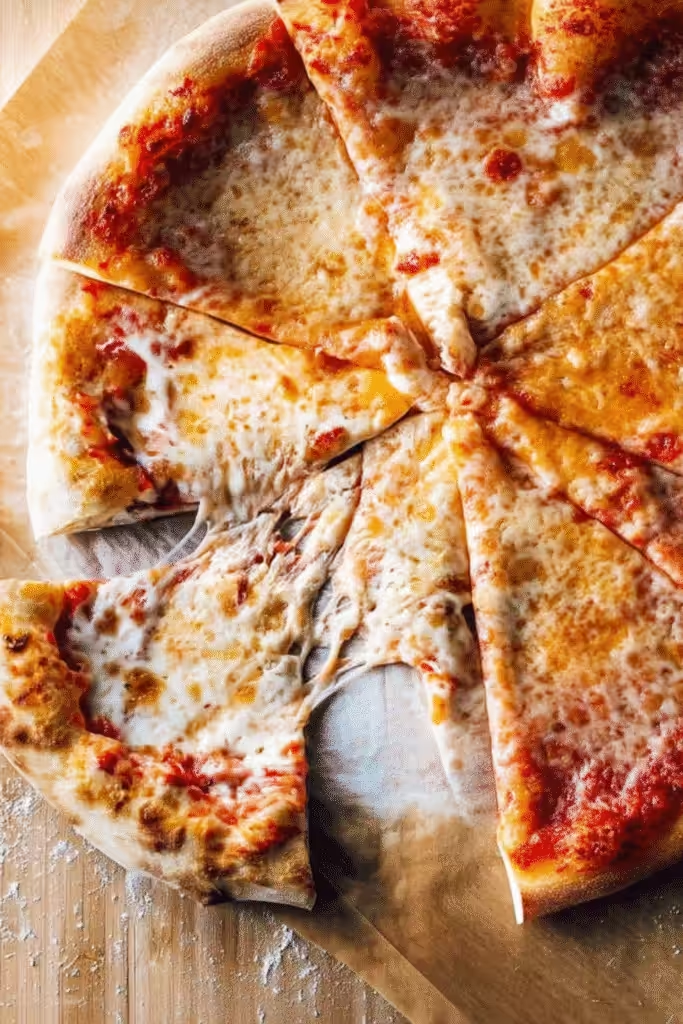
Essential Ingredients for Homemade Pizza Dough
• Bread Flour: Provides higher protein content, creating a chewy, elastic texture that mimics authentic pizzeria crust.
• Granulated Sugar: Activates the yeast and adds a touch of sweetness for balanced flavor.
• Salt: Enhances the overall taste and strengthens the gluten structure.
• Instant Dry Yeast: Ensures a quick and reliable rise with no proofing required.
• Lukewarm Water: Activates the yeast while hydrating the dough; must be between 105–115°F.
• Olive Oil: Used for greasing the bowl, it keeps the dough from drying out and adds a subtle richness.
Ingredient Swaps for Dietary or Pantry Needs
If you’re out of an ingredient or following a specific diet, here are smart alternatives that still yield a great pizza crust:
• All-Purpose Flour: While bread flour gives the best chew, all-purpose flour works fine for a softer, more tender crust.
• Active Dry Yeast: Swap for instant yeast by dissolving it in warm water before mixing. It adds just a few extra minutes.
• Honey or Maple Syrup: Use in place of sugar for a natural sweetener that still feeds the yeast.
• Avocado Oil or Canola Oil: Substitute for olive oil if needed; they also prevent dryness and sticking.
• Gluten-Free Flour Mix: If using a certified blend, expect a slightly denser crust. Consider adding xanthan gum for elasticity.
Step-by-Step: How to Make Homemade Pizza Dough
- Mix the Dry Ingredients
In a stand mixer bowl, combine bread flour, instant yeast, salt, and sugar. Use the dough hook attachment to mix everything evenly. - Add Water and Knead
Slowly pour lukewarm water into the dry ingredients while mixing on low speed. Let the dough come together, about 2–3 minutes. - Develop the Dough
Continue kneading on low-medium speed for 7 minutes, or until the dough is smooth, elastic, and slightly tacky but not sticky. Add flour or water as needed to adjust consistency. - First Rise
Transfer dough to a lightly oiled bowl, turning to coat. Cover with plastic wrap and let rise in a warm place for 1–2 hours, or until doubled in size. You can also refrigerate it overnight for deeper flavor. - Prepare for Baking
Once risen, gently punch down the dough to release air bubbles. Shape it into a disc or divide it for smaller pizzas. Let it rest at room temperature for 30 minutes if chilled. - Bake Your Pizza
Preheat your oven with a pizza stone or baking steel inside. Roll or stretch the dough, add your favorite toppings, and bake at high heat (ideally 475–500°F) until the crust is golden and bubbly.
Pizza Dough Tips You’ll Wish You Knew Sooner
• Use Bread Flour for Best Texture: The higher protein gives chew and structure that mimics wood-fired pizza crusts.
• Keep Water Temperature Just Right: Aim for 105–115°F to activate the yeast without killing it.
• Let the Dough Rest: Chilling overnight helps gluten relax and flavor develop. Let it warm before shaping.
• Don’t Over-Flour: A little stickiness is okay. Too much flour leads to a tough crust.
• Work Gently When Shaping: Avoid pressing out all the air bubbles for a light, airy bite.
• Use a Pizza Stone: For that classic crisp bottom, preheat your stone for at least 30 minutes.
Creative Pizza Toppings and Variations to Try
• Classic Margherita: Fresh tomatoes, mozzarella, basil, and a drizzle of olive oil.
• BBQ Chicken: Shredded chicken, barbecue sauce, red onion, and smoked gouda.
• Veggie Supreme: Bell peppers, olives, mushrooms, and spinach with a light tomato base.
• White Pizza: Ricotta, garlic, mozzarella, and fresh herbs—no tomato sauce needed.
• Spicy Sausage: Crumbled Italian sausage, red pepper flakes, and provolone.
Make-Ahead Tip: After the first rise, divide and wrap dough discs in plastic wrap, then freeze in zip-lock bags for up to 2 months. Thaw in the fridge overnight and bring to room temp before using.
Elevate Your Dough With These Seasonal or Cultural Twists
• Whole Wheat Pizza Dough: For a nutty flavor and added fiber, replace up to 50% of bread flour with whole wheat flour.
• Italian-Style Herbed Crust: Add dried oregano, garlic powder, or rosemary to the dough for a fragrant finish.
• Stuffed Crust Option: Roll cheese sticks into the edges for a gooey twist kids will love.
• Autumn Flavor Boost: Mix in roasted garlic purée or pumpkin purée for seasonal flair.
Final Word
Mastering homemade pizza dough is a game-changer for any home cook. This easy recipe offers endless possibilities—whether you’re baking a crispy thin crust, a fluffy deep-dish base, or freezing extra dough for future cravings. With simple ingredients and customizable options, your perfect pizza starts with this dough.
Homemade Pizza Dough: Conclusion
Homemade pizza dough is more than just a base — it’s the foundation of a delicious, personalized meal. Whether you’re a first-time baker or a pizza-night pro, this recipe offers a simple yet reliable method to achieve that perfect chewy crust with a crispy bite. With minimal ingredients, flexible make-ahead options, and room for creative toppings, this dough transforms your kitchen into a pizzeria. Don’t settle for store-bought when you can make something fresh, flavorful, and infinitely better at home.
Make it once, and you’ll never go back. Master the dough, and every pizza night becomes a celebration.
Frequently Asked Questions About Homemade Pizza Dough
How long can homemade pizza dough last in the fridge?
Homemade pizza dough can be refrigerated for up to 24 hours after rising. Store it in a lightly greased, airtight container. Before using, let it sit at room temperature for 30–60 minutes to become more pliable for shaping and baking.
Can I freeze homemade pizza dough?
Yes, this dough freezes beautifully. After it has risen, divide it into discs, wrap each in plastic wrap, and store in zip-lock freezer bags. It can be frozen for up to 2 months. Thaw overnight in the fridge and let it reach room temperature before use.
Why is my pizza dough too sticky or too dry?
Dough consistency can vary due to flour type and humidity. If it’s too sticky, add flour 1 tablespoon at a time. If it’s too dry, add water gradually. The ideal texture is slightly tacky but not clinging to your fingers.
What’s the difference between instant and active dry yeast?
Instant yeast can be mixed directly with dry ingredients and is more convenient. Active dry yeast must be dissolved in warm water first. Both work for this recipe, but instant yeast shortens the process by a few minutes and simplifies prep.
More Relevant Recipes
Print
Easy Homemade Pizza Dough That Delivers a Chewy, Crispy Crust
- Total Time: 1 hour 15 minutes
- Yield: 1 large (14-inch) pizza crust or 2 medium crusts 1x
- Diet: Vegetarian
Description
This homemade pizza dough recipe delivers a perfect balance of chewy and crispy crust. Made with simple pantry ingredients and easy steps, it’s ideal for family dinners, pizza nights, or make-ahead freezer meals. With helpful tips, ingredient swaps, and expert FAQs, this dough is your new go-to for delicious, homemade pizza every time.
Ingredients
- 2 ½ cups (300 g) bread flour, sifted: provides chewiness and structure
- 1 teaspoon granulated sugar: feeds the yeast and adds mild sweetness
- 1 teaspoon salt: enhances flavor and supports gluten strength
- 1 teaspoon instant dry yeast: helps the dough rise quickly and consistently
- ¾ cup plus 1 tablespoon (195 ml) lukewarm water (105–115°F): hydrates dough and activates yeast
- Olive oil, for greasing: prevents sticking and adds subtle flavor
Instructions
- In a stand mixer bowl, combine flour, yeast, sugar, and salt. Mix using the dough hook until evenly blended.
- Slowly add lukewarm water while mixing on low speed. Mix until a rough dough forms (2–3 minutes).
- Continue kneading for 7 minutes on low-medium speed until dough is smooth, elastic, and slightly tacky. Adjust with flour or water as needed.
- Transfer dough to an oiled bowl, turn to coat, and cover with plastic wrap. Let rise in a warm place for 1–2 hours, or until doubled in size. Alternatively, refrigerate for up to 24 hours.
- After rising, gently punch down the dough to release air. Shape into a disc or divide as desired for multiple pizzas.
- Let rest at room temperature for 30 minutes if previously chilled. Roll out, top, and bake as desired.
Notes
- Use bread flour for best texture; substitute with all-purpose if needed.
- Warm water should be between 105–115°F to activate yeast effectively.
- Dough can be refrigerated for up to 24 hours or frozen for up to 2 months.
- Let frozen dough thaw in the fridge overnight and rest at room temperature before use.
- Don’t over-flour the dough — a slightly sticky texture ensures a soft, chewy crust.
- Prep Time: 15 minutes
- Cook Time: 12–15 minutes (baking time not included in original, estimated)
- Category: Pizza
- Method: Baking
- Cuisine: Italian
Nutrition
- Serving Size: 1 slice (1/8 of 14-inch crust)
- Calories: 140
- Sugar: 1g
- Sodium: 190mg
- Fat: 1.5g
- Saturated Fat: 0.3g
- Unsaturated Fat: 1.2g
- Trans Fat: 0g
- Carbohydrates: 27g
- Fiber: 1g
- Protein: 4g
- Cholesterol: 0mg
Keywords: Homemade Pizza Dough, pizza crust, bread flour dough, easy pizza recipe, pizza night, chewy pizza dough